
The message is ordinary. "Can you pick up bread on the way home?" You answer with a sharpness that surprises even you. Later, at the table, someone laughs at a small joke and your chest tightens as if the laugh were a demand. You go to bed replaying the tone of your own voice.
From outside, the day looked fine. You answered emails. You cooked. You showed up. Inside, every small ask felt like one more alarm.
Depression is often pictured as tears, a closed door, a person who cannot leave bed. That picture is real for some people. For others, the same low mood arrives as a short fuse: disproportionate irritation, a hard edge in the voice, then a wave of guilt that says you are simply a bad person. This text is general psychoeducation. It is not a diagnosis and does not replace professional care.
When the smoke alarm sticks on high
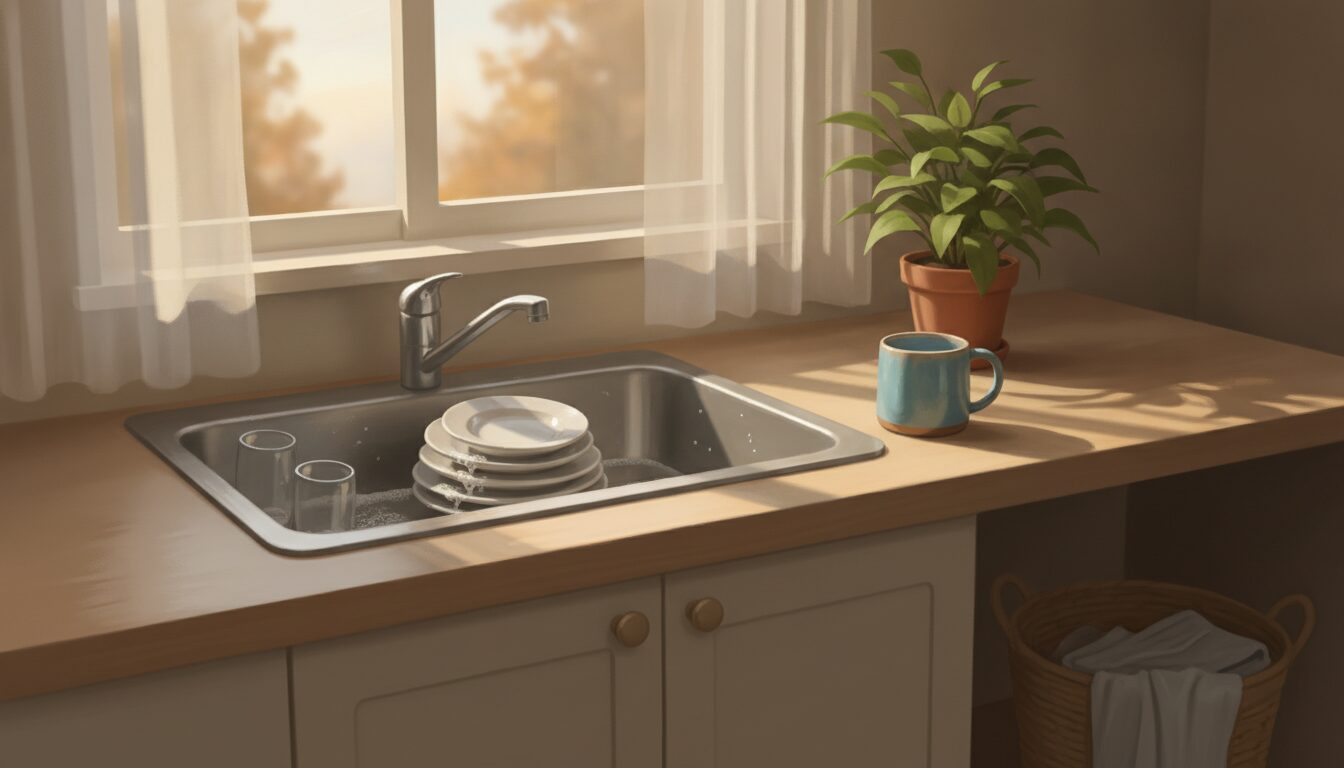
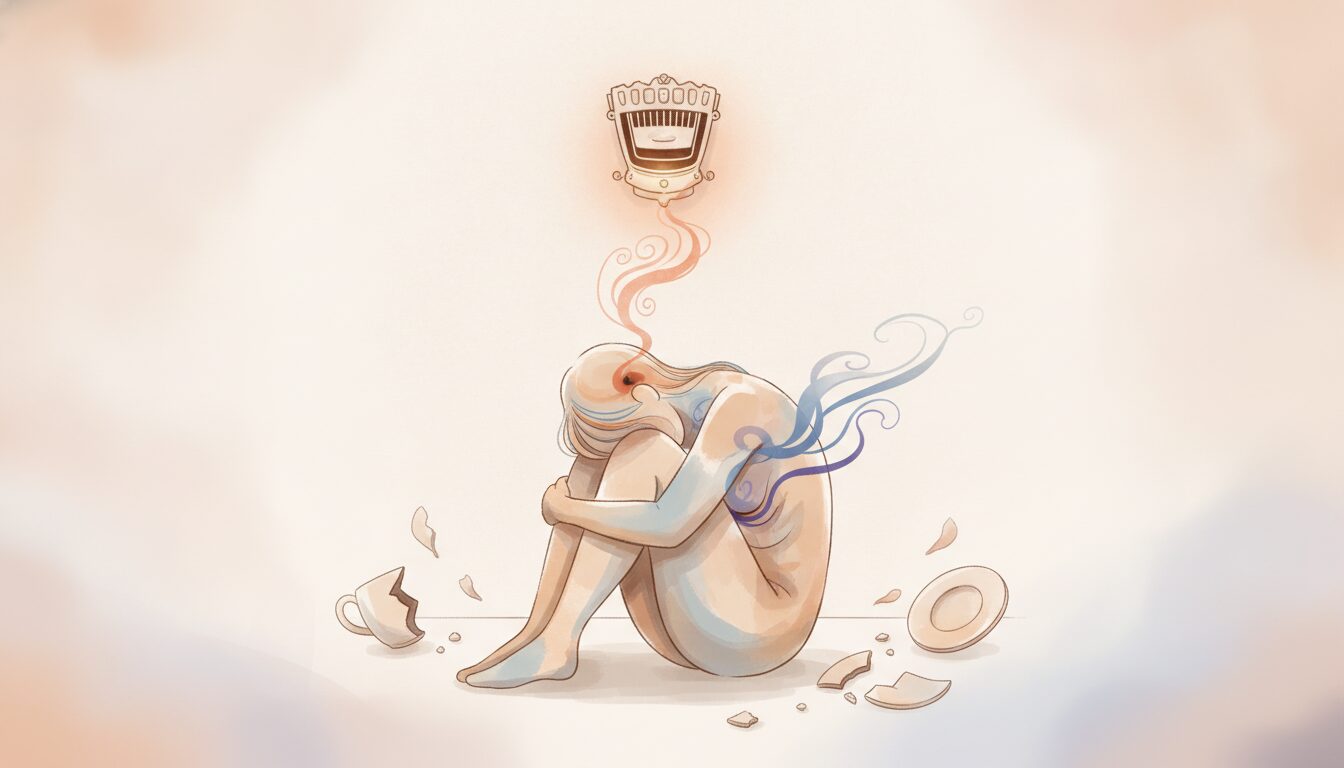
Think of the mind's frustration system as a smoke alarm. On a good day it stays quiet until there is real smoke. On other days the sensitivity gets stuck on high. Burnt toast sets it shrieking. A delayed reply. A cup left in the sink. A question asked twice.
The shriek is loud. The fire may be small. That mismatch is exhausting, and it confuses everyone nearby, including you.
Irritability can have many causes: poor sleep, hunger, pain, conflict, substances, other conditions. Naming depression as one possible backdrop does not mean every snap is depression. It means a short fuse, especially when it clusters with flatness, heavy guilt, loss of interest, or weeks of low energy, deserves a wider look than "I need better manners."
Irritability and depression: a useful distinction
Character judgment says: you snapped, so you are unkind. Pattern recognition says: your threshold for frustration has dropped, and small friction now costs more than it used to.
The second framing is kinder and more practical. It does not excuse harm. If your words landed hard, a repair still matters. It does change what you investigate. Instead of only polishing anger-management tips, you also ask what has been draining the system underneath: sleep that never restores, a weekend that feels as heavy as Monday, food without taste, a joke that no longer lands.
People who live this often feel ashamed twice. First for the snap. Then for not looking "depressed enough." Looking functional does not cancel suffering. A short fuse can be one of the faces low mood wears when tears do not arrive on cue.
What the days can look like
Morning already feels crowded. The calendar is full, so you keep moving. At lunch you joke, and the joke works for everyone else. For you it is sound without charge. In the afternoon a colleague restates something obvious and heat rises in your neck. You bite it back, or you do not. Either way, the evening brings a private trial in which you prosecute yourself for every sharp edge.
Some people describe a constant readiness to be interrupted. Others notice they withdraw after snapping, afraid of the next mistake. The radio of the day keeps playing, but the music is thin and the static of annoyance sits underneath.
If this pattern lasts for weeks, spreads across work and home, or comes with hopelessness, thoughts of death, or a wish to disappear, treat that as a reason to speak with a qualified professional. An article can orient. It cannot sort causes alone.
Small moves that orient (not cure)
Start with one honest label when the alarm goes off: "This is a high-sensitivity day. The ask was small. My reaction was large." Saying it silently still counts. You are placing the shriek next to the toast, not pretending the shriek means the building is gone.
If you hurt someone, repair in plain language. "I answered more sharply than the question deserved. I am working on what is underneath. You did not deserve that tone." Repair is not a full clinical plan. It stops the story that you can only be either perfect or worthless.
Then pick one stabilizer you can actually do tonight: earlier food, a shorter screen hour, ten minutes of quiet without solving your whole life. If sleep and mood have been off for a while, put a real appointment on the calendar. Irritability that rides on depression often softens when the wider picture is treated. Coping skills for anger help some people in the moment. They are a weak substitute for care when the root is a sustained low mood.
You can also read our pieces on emptiness that takes the wheel and high-functioning depression if the hollow side of this picture feels familiar, or burnout versus depression if the short fuse lives mostly inside a role that will not end.
How NoOneToTalk can sit with you (without replacing therapy)
NoOneToTalk offers anonymous conversation with peers, with Kibo, and, when it fits, therapist rooms. It is a low-threshold place to say the awkward sentence: "I keep snapping, then I hate myself for it." That sentence does not diagnose you. It opens a door between the performance of the day and the static underneath.
If tonight you only need to put one true line somewhere safe, start at downloads. You do not have to wait until you look like the poster of depression. Showing up angry, tired, and confused still counts as showing up to your own life.
The smoke alarm can be recalibrated. Often that work needs company and clinical care, not more self-prosecution after dinner.