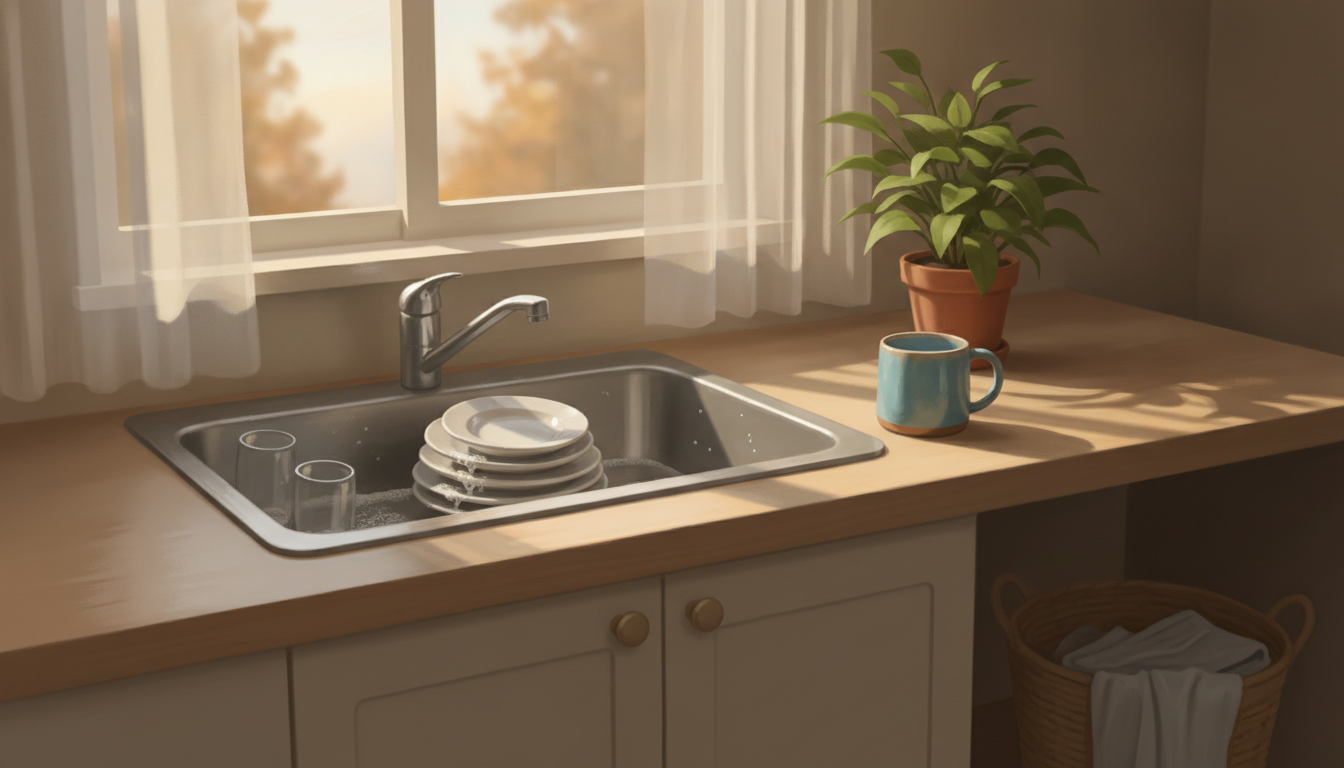

Sunday, a little after nine in the evening. The phone lies face down on the arm of the sofa. When you turn it over, the green icon says 14. One of them is a voice note from your oldest friend, sent on Wednesday, 1 minute 12 seconds long. You have not played it. Underneath there is a text she sent yesterday: just tell me you're ok.
You love her. That is the strange part. You think about her every day, and on Thursday, standing in the kitchen, you even typed half a reply and deleted it because it sounded wrong. Now four days have passed, and an ordinary answer feels impossible. It would need an explanation. The explanation would need the truth. The truth would take more energy than you have this evening. You turn the phone back over.
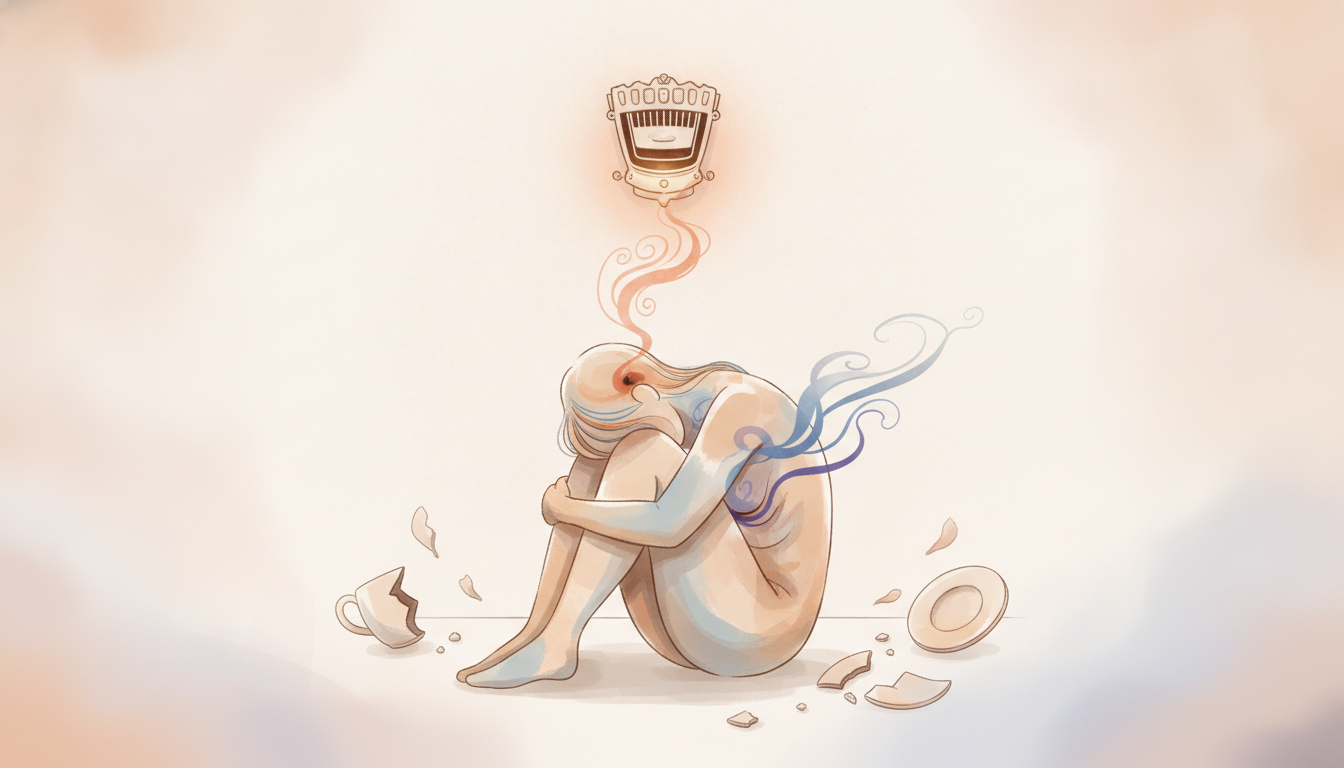
Then the verdict arrives, in your own voice. If you cared, you would answer. Real friends answer.
This article is about that silence, when low mood or depression makes replying feel too heavy. It is general information. It does not diagnose anything and does not replace a doctor or a mental health professional.
Why a short reply can weigh so much
Pulling away from people is one of the recognised signs of depression. The NHS lists ‘avoiding contact with friends and taking part in fewer social activities’ among its social symptoms, next to lack of energy, guilt and finding it difficult to make decisions.
Look at what a reply asks of you. A decision about what to say. A choice about how much of the truth to tell. An explanation for the delay, which grows with every day. For a rested mind each step is small. For a mind running on very little, the message stops being a message and becomes a task in four parts, and the guilt adds a fifth.
The clinical psychologist Annie Hsueh, interviewed by the writer Jenny Singer for the Guardian about people who struggle to text back, put it simply: ‘It’s not a matter of will, per se. There’s something that is blocking them.’ She was talking about many causes, from burnout to anxiety. Depression is one of the things that can do the blocking.
Post piling up behind the door
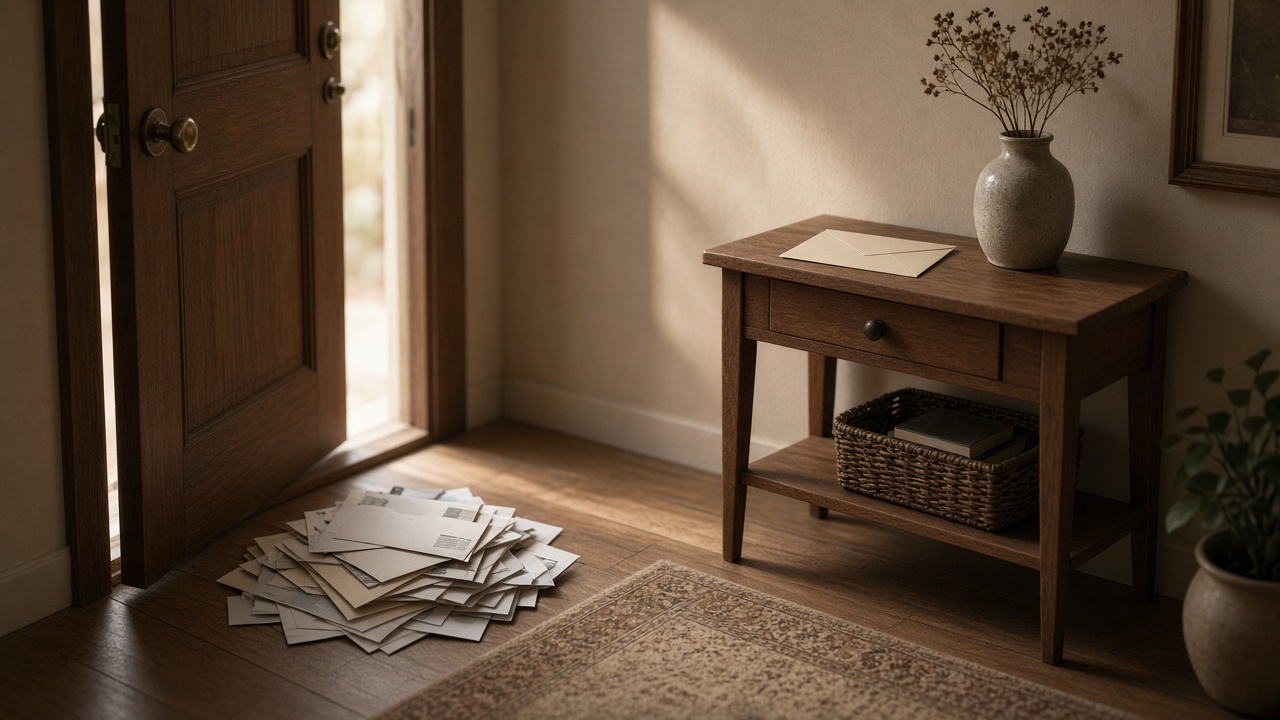
Picture the messages as post dropping through the letterbox of a house. On a good week you pick up the envelopes as they arrive. On a bad week you leave them on the mat and tell yourself you will deal with them tomorrow. They slide under each other. By the second week there are so many that the door itself is hard to push open, and the thought of going into the hall is enough to keep you in the other room.
Behavioural activation is a talking therapy that NICE, the body that writes clinical guidelines in England, lists among its treatments for depression. The guideline notes that it may be helpful for people whose depression has led to social withdrawal and doing fewer things.
An introductory booklet from Southwark NHS Talking Therapies in London lists common reactions to feeling down. Next to going back to bed and putting off chores there is a line that could have been written for the hall full of post: ‘Not opening letters; not answering the phone’. The booklet treats hiding away as understandable, ‘as if we are trying to protect ourselves from anything that might cause further distress’. It also describes what tends to follow. Doing less cuts us off from the things that used to help, problems grow while we wait, and mood drops further. The authors call it a depression trap.
Singer, who writes about living with an anxiety disorder, describes the same pile from the inside. Hours or days after a message arrives, her anxiety ‘compounds with shame’. One friend told her he now writes to her less for anything beyond logistics, because he does not expect to hear back in time. ‘I have trained people not to rely on me,’ she writes. The post on the mat even changes the way people outside knock.
So the silence is no proof that the care has gone. Often the care is what makes the envelopes so heavy. You want to answer well, you cannot, and so you do not answer at all.
Pushing the door a few centimetres
You do not need to clear the whole hall tonight. Pick up one envelope. Behavioural activation works the same way, with small steps planned in advance, chosen by the person and sized to the energy they have.
One envelope can be a message that asks nothing and explains nothing in detail. For example: ‘I’m having a heavy few weeks. I’m reading your messages and they help. I’ll answer properly when I can.’ You can keep it in your notes and send it, with small changes, to the two or three people whose silence weighs on you most.
Harry Reis, a psychology professor at the University of Rochester who studies close relationships, gave Singer a similar script for people who are slow to reply: say that the delay does not mean you don’t love them, and that you care about them and about the relationship. ‘Honesty is the best policy,’ he said.
If typing is the hard part, change the shape of the envelope. A twenty-second voice note. A heart on her last message, so she knows you saw it. A call when you have a little more in you. Hsueh suggests choosing two set moments in the day for messages instead of trying to answer each one as it comes. Then the rest of the day has permission to be quiet.
The apology can be short. ‘Sorry, it’s been a heavy time’ is enough. Singer describes her own attempts to repair things with long blocks of text, months too late. A long letter written at midnight asks for energy you may not have right now.
If you are the one waiting
Maybe you are on the other side of the door, looking at two grey ticks. The writer Oliver Burkeman called it a lonely kind of craziness: falling out with someone who almost certainly has no idea you have fallen out.
The mental health charity Mind gives friends and family a simple instruction for someone with depression: keep in touch, even with just a message to say you are thinking of them, and try not to put too much pressure on them to reply. The main thing is that they know you are there. A message that needs no answer is easier to receive: ‘Thinking of you. No need to reply. I’ll be at the bakery on the corner on Saturday at ten if you feel like a coffee.’
If the silence goes on for weeks and it worries you, it is fine to ask directly, or to knock another way: a call, a visit, a note under the real door. Mind also reminds people who support someone to look after themselves. Your patience has limits too, and having limits is part of friendship.
When the silence needs more than a message
Everyone goes quiet sometimes, and a busy month or a need for space is not an illness. The NHS advises seeing a GP if you have symptoms of depression for most of the day, every day, for more than two weeks. Look at the whole picture: whether you have lost interest in things you used to enjoy, whether you feel hopeless or guilty most of the time, whether sleep, appetite and energy have changed. We wrote about how depression can feel from the inside in depression is not only sadness, and about the heaviness that gets mistaken for a flaw in depression is not laziness.
If you start thinking that the people around you would be better off without you, or you have thoughts of hurting yourself, contact local emergency or crisis services now, or tell someone near you.
And if the hardest part is saying anything at all to the people who know you, it can help to start somewhere smaller. NoOneToTalk offers anonymous listening from peers. It is a place to talk. It is not therapy, and it is not medical treatment. We wrote more about that first step in when talking still feels too soon.
On Monday morning, waiting for the kettle, you open the chat and send three lines: it has been a heavy few weeks, you are reading everything, you will call at the weekend. Then you put the phone in your pocket. The voice note is still there, 1 minute 12 seconds. You can play it on the bus.