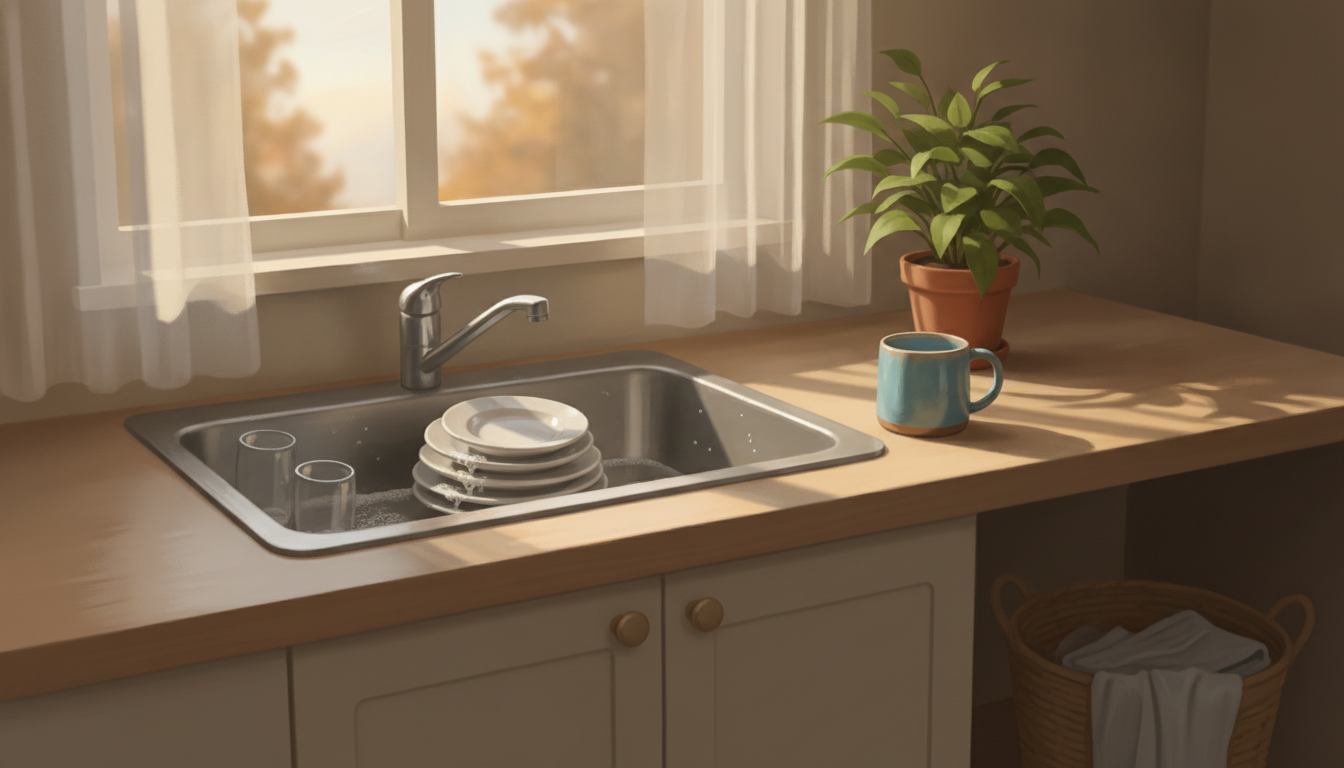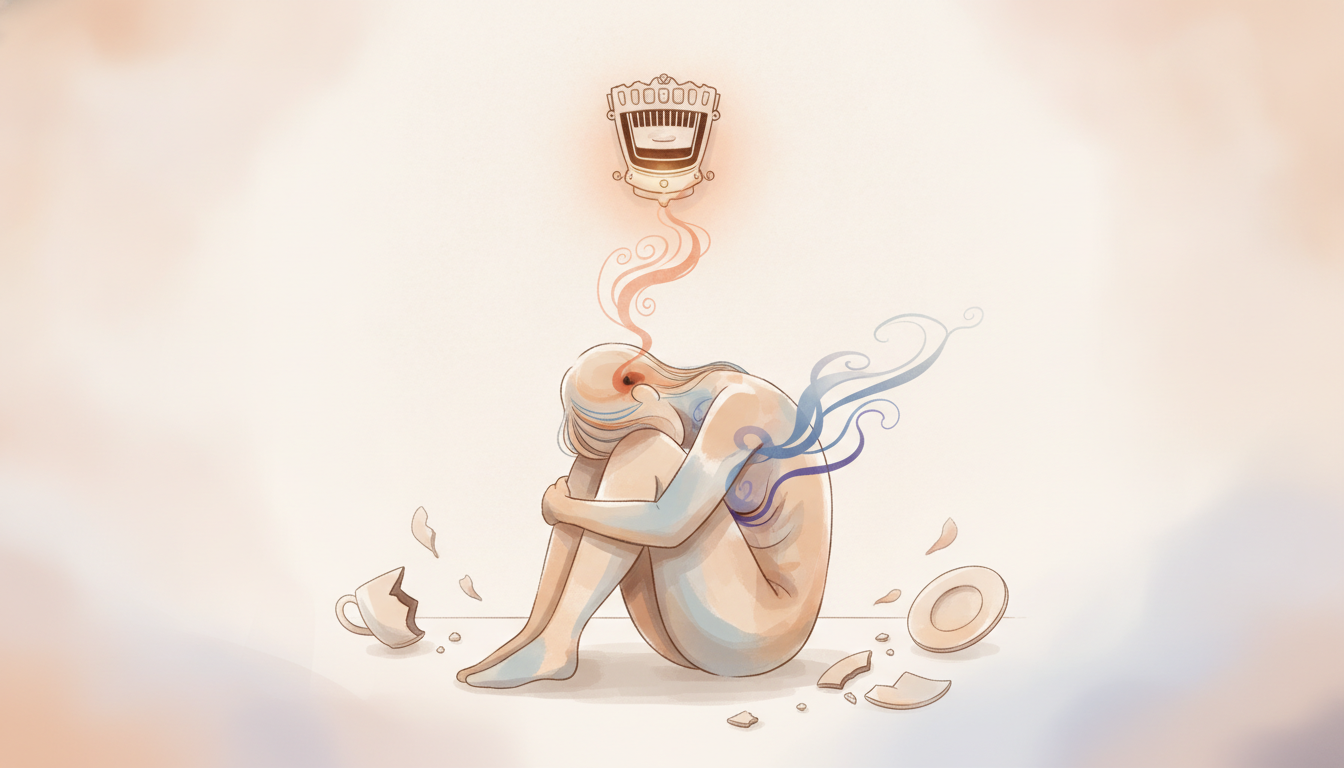


From the outside, your life looks intact. You go to work, answer messages, show up to dinner with friends. People might even describe you as driven or organized. And yet, in the quiet moments between obligations, something feels off: a flatness you cannot quite name, a sense that you are watching your own life through glass.
This pattern is sometimes called high-functioning depression. It is not an official clinical diagnosis on its own, but it overlaps closely with what clinicians know as persistent depressive disorder (PDD), a long-lasting low mood that simmers below the threshold of major depression. The challenge is precisely that it does not look like the picture most of us carry of depression. There is no obvious collapse. There is only a long, gray erosion.
Why It Often Goes Unnoticed
When we think of depression, we tend to imagine someone unable to get out of bed. High-functioning depression hides itself behind productivity. The same person may be performing well at work while internally exhausted by the effort required to perform at all. Because nothing visibly breaks, friends and family (and sometimes even the person themselves) assume everything is fine.
Many people who live with this pattern develop sophisticated coping strategies: perfectionism, overwork, a polished social mask. These strategies are often praised by the outside world, which makes them harder to question. We get rewarded for the very behaviors that keep us from acknowledging how depleted we feel.
Signs of High-Functioning Depression
If you are wondering whether what you are experiencing fits this pattern, consider whether several of the following have been present most days for many months:
A constant, low-grade fatigue that sleep does not seem to fix
Difficulty feeling joy, even during things you used to enjoy
Persistent self-criticism: a quiet voice that says you are never doing enough
Going through the motions: doing what is expected without feeling present
Irritability or shortness with people you love, followed by guilt
A sense that you are waiting for life to start, or for something to lift
None of these alone proves anything. Many of us have weeks like this. The question is whether they have become the background hum of your daily life.
Why It Still Matters Even If You Are Coping
Functioning is not the same as flourishing.
One of the cruelest features of this pattern is that it convinces you that you do not deserve help, because other people have it worse, or because your life looks fine on paper. But chronic low mood is not a moral failing or a productivity benchmark to be optimized. It is a signal: often that something in your life is asking to be reorganized, that grief or loss has gone unprocessed, or that biological and psychological factors deserve professional attention.
CBT and interpersonal therapy are among the talking therapies the NHS lists for depression, and even low mood that has lasted for years can improve with treatment, though it may take time. Therapy can help you identify the thought patterns and unmet needs underneath the flatness. For some people, medication is a useful part of the picture. For others, the work is more about rest, connection, meaning, and slow rebuilding.
A Gentler First Step
If any of this resonates, you do not need to overhaul your life this week. You might start by naming what you have been carrying: to yourself, in writing, or to one trusted person. You might consider speaking with a therapist or your doctor, not because something is catastrophically wrong, but because something has gone unattended for too long.
You are allowed to ask for support before things fall apart. In fact, that is precisely when support tends to work best.