

Loneliness is a universal human experience. It is the ache we feel when our need for meaningful connection is not being met. Most of us pass through it, after a move, a breakup, a loss, or simply during a season of life when our circle has thinned. For many, it lifts as circumstances change. But for some, loneliness lingers and starts to shape how we see ourselves, how we expect others to respond to us, and how we move through the day. That is when loneliness can quietly tip into depression.
Why Loneliness and Depression Get Tangled
Researchers studying social isolation, including the late John Cacioppo and his colleagues, have shown that chronic loneliness is not just unpleasant, it changes physiology. It elevates stress hormones, disrupts sleep, and pushes the brain into a more threat-vigilant state. Over time, this puts a person at significantly higher risk for depressive symptoms.
The mechanism is not mysterious. Humans evolved as profoundly social creatures. When our need for connection goes unmet for long stretches, our nervous system reads the situation as dangerous. We become more sensitive to perceived rejection, more likely to interpret neutral cues as cold, and more inclined to withdraw, which, painfully, makes the loneliness worse.
Signs the Crossover May Be Happening
Loneliness on its own often comes with a sharp longing for company. Depression flattens that longing. If you notice some of the following, it is worth taking seriously:
You used to want connection and now feel too tired or numb to seek it
Invitations feel like obligations, and you cancel more than you accept
You assume people would not really want to hear from you
Time alone has stopped feeling restorative and started feeling heavy
You have lost interest in things that used to make solitude feel rich, reading, walking, music, hobbies
Loneliness usually says, "I want to be near someone." Depression often says, "What would be the point."
The Loop We Get Stuck In
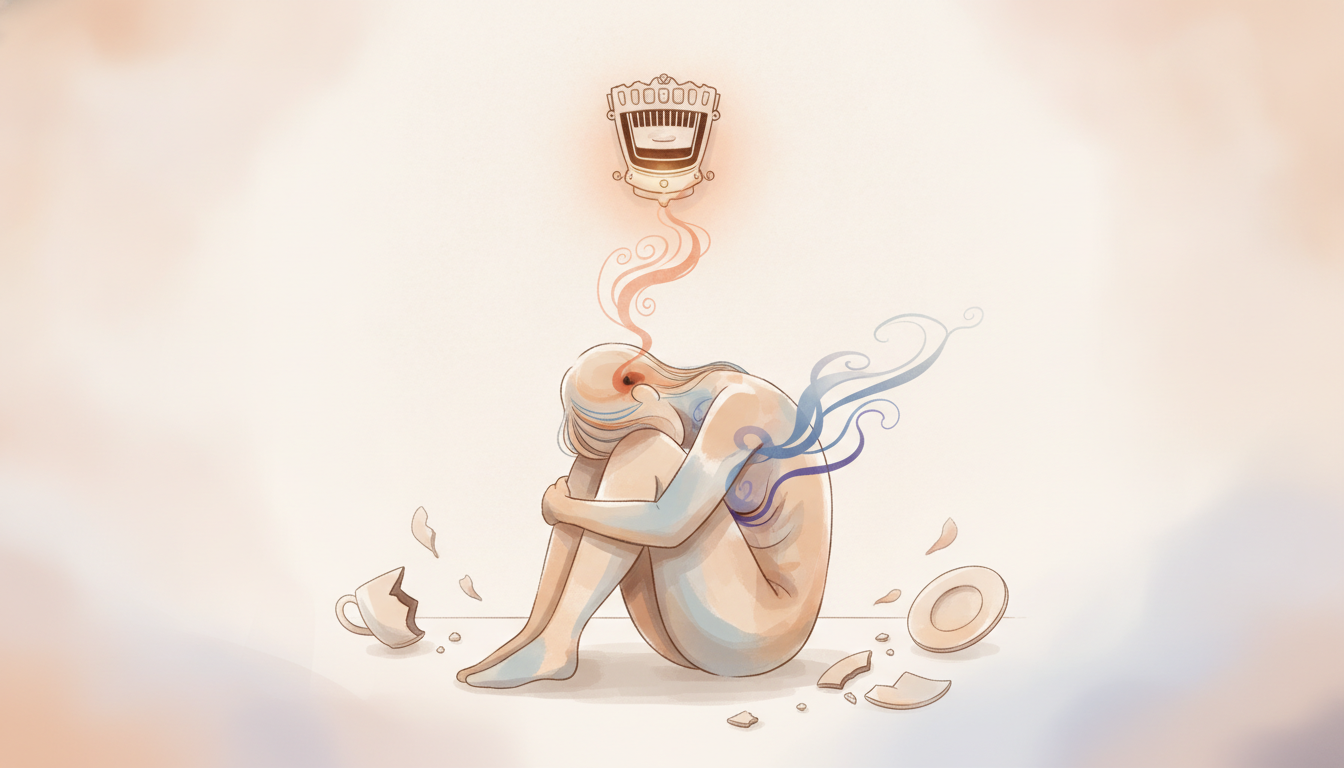
The deeper the isolation, the harder it becomes to reach for the thing that would help.
This is what makes the loneliness-depression loop so cruel. The longer we stay disconnected, the more our brain rehearses the story that we are alone for a reason, that reaching out would be a burden, that we are uniquely unlikable. Each cancelled plan, each unanswered message, confirms the story. Meanwhile the part of us that still wants to be known gets quieter and quieter.
Small Doors Back In
When connection feels too large, smaller doors can help. Many people find that low-stakes, low-pressure contact is easier to begin with than emotional intimacy. A weekly class. A coffee with a colleague that lasts twenty minutes. A volunteer shift. A standing video call with one person who is not expecting a deep update.
You might also try noticing the gap between what you fear will happen when you reach out and what actually happens. Often, the actual response from another person is warmer and simpler than the dread predicted. That gap is information. It can slowly loosen the story depression is telling about your worth to others.
When to Bring In Help
If the heaviness has been around for weeks rather than days, if it is starting to affect sleep, appetite, work, or your sense of hope, those are reasons to talk to a professional. A therapist can help you untangle what is loneliness, what is grief, and what is depression that has set in on top of both. None of these require you to figure them out alone before asking.
If you want to understand No One To Talk, you can explore this overview at your own pace.
Reaching out, even imperfectly, is one of the most powerful interventions we have.