

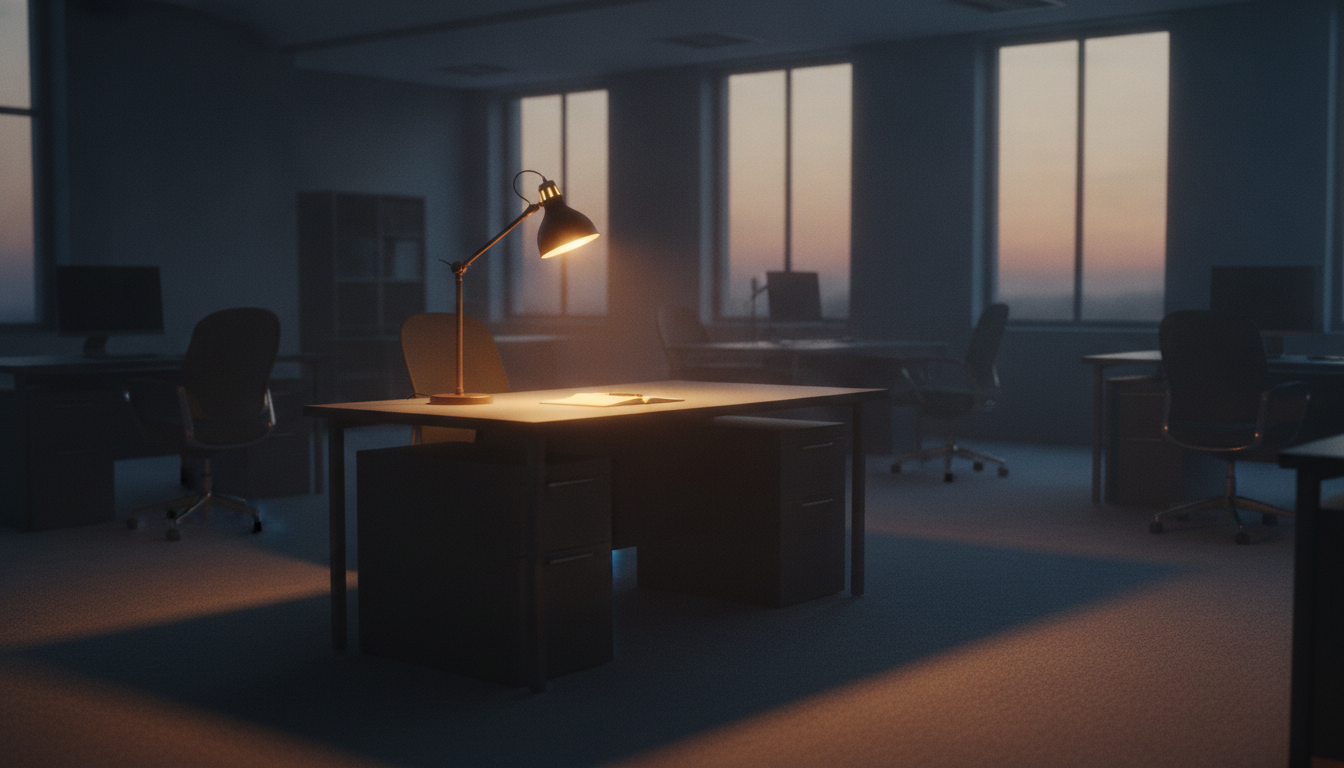
The building is quiet. The doors are locked. The last visitor left hours ago. And still the security guard keeps walking the hallway (checking, listening, circling) as if the night itself might break a rule.
That is how permanent alert feels inside a mind. Not always panic. Often overtime. The body is off duty; the mind refuses to clock out. It patrols messages, tone of voice, unfinished tasks, tiny silences. It calls this prudence. It is not.
Permanent alert is a mental shift that never ends. You govern it by ending the patrol without firing the guard. The mind stays capable of care; it simply stops working unpaid hours.
This text is not a diagnosis and does not replace professional care.
Prudence that never stands down
Prudence looks once, assesses, and returns to life. Permanent alert looks again, and again, and again, not because new information arrived, but because stopping feels unsafe. The difference is not intelligence. It is whether the guard is allowed to go home.
You can be careful and still stop scanning. Care without rest becomes surveillance of your own life. Quiet moments start to feel like threats in disguise.
People in this pattern often appear responsible, available, prepared. Inside, they are exhausted by a job no one assigned and no one pays: being on duty for every possible risk.
When overtime becomes the default
Useful alerts exist: real deadlines, real dangers, real needs. Anxiety keeps producing them after the useful signal has already done its job. The machines hum on habit.
A message arrives; three more scenarios open. A pause in conversation; the mind invents rejection. A free evening fills with unfinished patrols. Overtime does not ask permission.
Here is the trap. The more overtime you work, the more necessary it feels. Rest starts to look like negligence. Ending a patrol starts to feel like abandoning the post. That is how alert becomes identity.
The body keeps the schedule the mind wrote
Shoulders up. Jaw tight. Sleep shallow. Digestion nervous. The body is not betraying you; it is reading the roster. If the mind never clocks out, the nervous system never fully stands down.
You may try to rest by force (scrolling, wine, endless “one more check”) and wake up still on duty. That is not failure of willpower. It is a patrol that was never officially closed.
Ending the patrol without shutting the mind
I will not tell you to “stop worrying.” Minds do not switch off like lamps. They change assignment. The useful skill is not silence; it is ending the check when the useful check is done.
When the guard starts another circle of the hallway, try naming it: “This is overtime, not new danger.” Then ask one concrete question: Is there one action I can take now, or am I only walking the same corridor again?
If there is one action, take it and stop. If there is none, close that round: put the phone down, leave the message unanswered for now, return attention to what is actually in the room (feet, breath, a task with edges). You are not abandoning safety. You are refusing unpaid overtime.
A small handover
At the end of a day, write three lines the way a guard would brief the next person on duty: what was real today, what was only patrol, what can wait until morning. Then stop. Not because everything is solved. Because tonight’s watch is over.
You will not become a person without alert. You may become a person whose mind knows how to clock out and still wake up capable of care when care is needed. Permanent alert is not virtue. Ending the overtime is how a mind stays human while still protecting what matters.
If you want to understand what NoOneToTalk is, you can explore this overview at your own pace.
If you or someone you know is in crisis, please seek help. International directory: findahelpline.com.