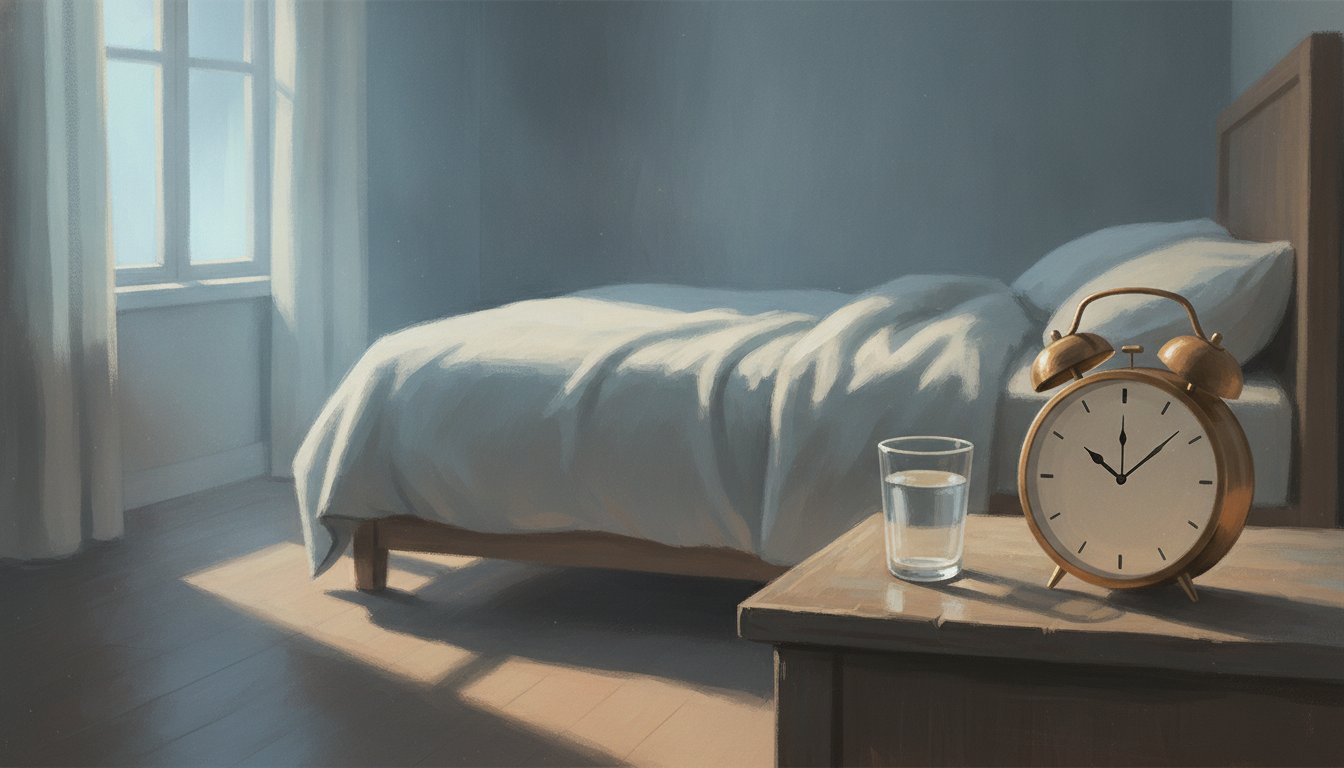

It is 11:47 p.m. The dishes are done, the laptop is shut, and the house has finally stopped asking. You are on the sofa with your phone. The next episode starts in five seconds unless you touch the screen. You do not touch it. Your eyes sting. The alarm is set for 6:30. You know all of this, and you stay.
Nobody needs anything from you right now. That is the whole reason.
The habit has a name that went around the internet in 2020: revenge bedtime procrastination. It comes from a Chinese phrase, bàofùxìng áoyè, roughly "retaliatory staying up late," which spread after the journalist Daphne K. Lee described people with little control over their days who refuse to sleep early so they can win back some freedom at night. Researchers at Utrecht University had already described bedtime procrastination in a 2014 paper as putting sleep off despite intending to sleep (a self-regulation delay), not as the later internet idea of revenge. This text is general psychoeducation. It is not a diagnosis, and it does not replace care from a doctor or a sleep specialist.
The only room with your name on the door
Think of your day as a house where every room is booked. The morning belongs to the alarm and the commute. The afternoon belongs to a manager, a classroom, a patient list, a child with a fever. The early evening belongs to dinner, the laundry, the family chat about who picks up whom. You walk through all of these rooms, and in none of them are you the one who decides.
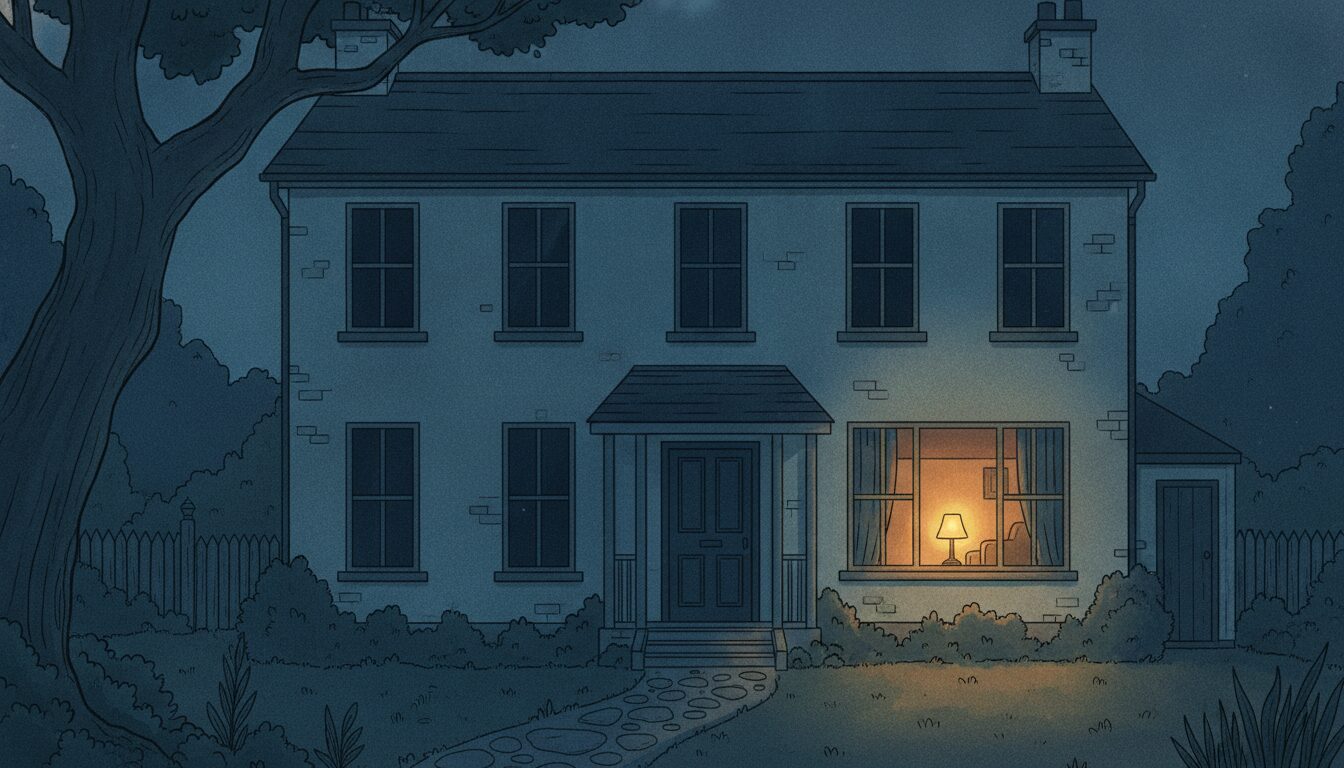
Late at night a small room opens at the end of the corridor. It has your name on the door. Nobody knocks. You can watch something silly, read half a chapter, scroll past strangers' kitchens. What you do in there matters less than the fact that you chose it.
Seen this way, going to bed means locking the only room that was yours. Of course the hand hesitates on the key.
That is why "you just need more discipline" bounces off. Willpower advice treats the late hour as a mistake to delete. For the part of you that went the whole day without a vote, the late hour is the vote. Take it away without putting anything in its place and it tends to be back by Thursday.
Two kinds of hunger at midnight
At 11:47 p.m. two needs are speaking at once. The body is tired and wants sleep. Another part is hungry for time that belongs to it, and sleep does not feed that part. Ten hours in bed would rest your muscles and leave the hunger exactly where it was.
This distinction helps you read your own evenings. If you fall asleep within minutes once you finally lie down, the trouble is rarely sleep itself. The trouble is the trade. You are paying for an hour of self with tomorrow's energy, at a bad exchange rate.
The rate gets worse over time. By midnight there is little left in the tank, so the room fills with whatever asks least: autoplay, the feed, the same three apps in a circle. You get the feeling of choosing without much of the rest you came for. Then you wake short on sleep, the next day feels heavier and even more rented out, and by night the hunger is louder. Sleep specialists who write about this habit describe that loop. Tired people find it harder to stop, and stopping late makes the next day more tiring.
What it is, and what it is not
Three things tend to be true together. You lose sleep you actually need. Nothing outside you requires you to stay up: no deadline, no sick child, no shift. And while it is happening, you know you would be better off in bed.
Some late nights are something else. A natural night owl who sleeps from one to nine and wakes rested is living their own rhythm. Someone who goes to bed on time and lies awake with a racing mind is facing a different problem, closer to what we describe in when insomnia means something else. And if you stay up because closing your eyes brings nightmares or dread, the room at the end of the corridor may be a hiding place. Before any new bedtime rule, that deserves a conversation with a professional.
Move the room earlier, keep the key
You do not have to close the room. You can move part of it to an hour when it costs less.
Pick twenty minutes tomorrow, before 9 p.m., that belong only to you. Put them in your calendar with a plain label, the way you would write down a dentist appointment. Choose the activity in advance, something with a little substance: a walk without a podcast, a few pages of a novel, drawing, a call with one friend you actually like. Tell the people you live with that this slot is taken. Then, at night, get ready for bed first. Teeth, pyjamas, alarm set. Whatever is left of your own time happens after that, in bed, by a small lamp. The room is still yours. Now it has a bed in it.
Expect the late pull to stay for a few days. The hunger trusts what it has seen, and it has seen years of evenings where nobody saved it a seat. Each early slot that actually happens is evidence.
When the day itself is the problem
For some readers twenty minutes is a fantasy. Long shifts, two jobs, caring for a parent alone, a baby who wakes every two hours. In those weeks the late hour is a symptom of a day with no slack, and a better routine will not create time that does not exist. Say that honestly, to yourself and, if you can, to someone who could share the load. Our piece on rest that does not have to be optimized goes further into what recovery needs.
If what you really want from the night room is someone to talk to, try saying it earlier, to a person. NoOneToTalk offers anonymous conversation with peers and with Kibo, at an hour that does not cost you tomorrow. It is a place to talk. It is not medical treatment.
See a doctor or a mental health professional if short sleep has lasted for weeks and is wearing down your mood, your work, or your safety behind the wheel, if the late hours are filled with hopeless thoughts, or if you dread the morning so much that sleeping feels like walking toward it. If you have thoughts of dying or of hurting yourself, contact local emergency or crisis services now.
Tonight the room will still be there at 11:47. Try opening its door once before dinner, and notice how the night feels when it is not the only place you get to be yourself.