
You probably already know the standard sleep hygiene checklist: cool dark room, no caffeine after noon, no screens before bed, a consistent wake time. Those are real and they matter. But for many people who still cannot sleep, the basics have stopped being the problem. Something else is going on, and pushing harder on the rules only adds frustration to an already frustrating night.
If you have been doing the basics for a while and they are not enough, here are the layers underneath worth looking at.
The Bed Is Not for Awake
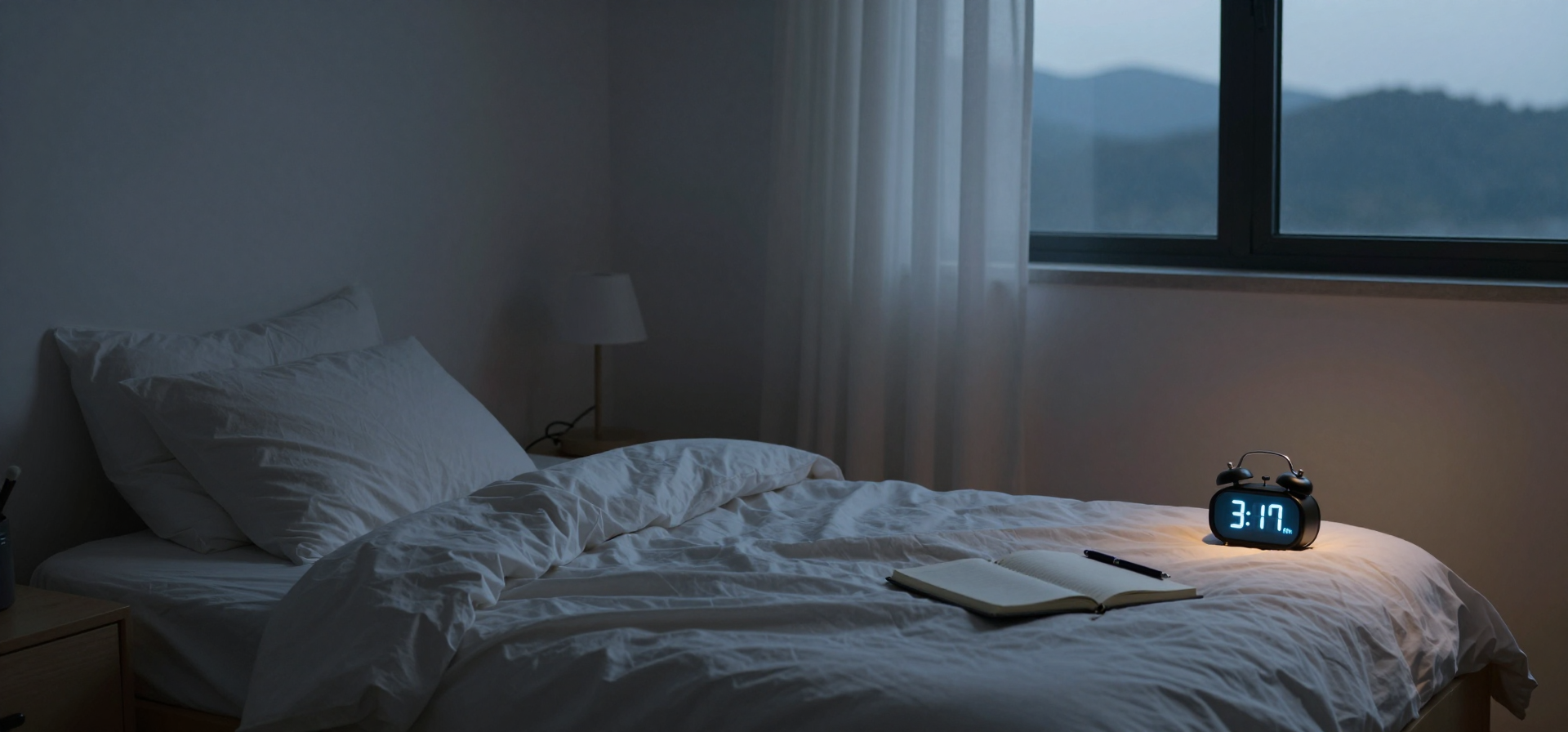
One of the most evidence-based principles in cognitive behavioral therapy for insomnia (CBT-I) is something called stimulus control. The idea is simple: the bed should be associated, in your brain, almost exclusively with sleep. When you spend an hour each night lying in bed checking the clock and trying harder to sleep, you are slowly teaching your nervous system that the bed is a place of wakeful effort.
If you cannot sleep within about twenty minutes, get up. Go to another room. Do something quiet and dim (not stimulating, not your phone) until you feel sleepy. Then return to bed. The first week of doing this is hard. The second week often reveals a brain that has started to remember what the bed is for.
Stop Trying So Hard
Sleep is one of the few things in life that gets worse the harder you try. Effort activates the nervous system; the nervous system needs to settle for sleep. Many people with chronic insomnia have, without realizing it, built a high-stakes relationship to bedtime. The harder they want it, the more out of reach it becomes.
Paradoxically, giving up on the sleep itself (while keeping a calm, dim, low-input environment) often invites it back. The intention shifts from "I must sleep" to "I am resting; if sleep comes, it comes."
Sleep Hygiene: Look at the Whole 24 Hours
Sleep does not start at bedtime. It is shaped by what happens in the preceding hours and even by what happens at the start of the day. A few often-overlooked levers:
Morning light. Getting bright outdoor light within an hour of waking is one of the strongest signals to your circadian system. Indoor light is dramatically dimmer than even an overcast day outside.
Meal timing. Eating large meals very late, or going to bed hungry, both disturb sleep architecture for many people.
Alcohol. It can make you fall asleep faster, then fragment the second half of the night. If you drink in the evening and wake at 3 a.m. wired, this is worth looking at.
Exercise. Regular movement during the day improves sleep quality, but intense exercise close to bedtime keeps some people activated.
The wind-down ramp. Many people transition straight from full-stimulus mode (work, screens, parenting) into expecting sleep. The nervous system needs a ramp, thirty to ninety minutes of progressively quieter activity.
The Mind That Will Not Stop
If your mind starts racing the moment your head hits the pillow, your bed may have become the only quiet place your thoughts ever get.
If your mind only gets loud at night, it may be because your days do not give it any other chance. Consider a deliberate "worry time" earlier in the evening, ten to fifteen minutes where you sit down, write out everything that is unfinished, anxious, or unresolved, and close the notebook. This is not meant to solve the worries. It is meant to give them a different appointment so they stop showing up at midnight.
When to Get Professional Help
If you have been sleeping poorly for more than a few weeks despite working with the basics, CBT-I is the gold-standard treatment for chronic insomnia and is more effective long-term than sleep medication. It is offered by trained therapists and through several reputable digital programs. A conversation with your doctor is also worth having to rule out underlying causes (sleep apnea, thyroid issues, perimenopause, depression, anxiety) that can masquerade as a sleep hygiene problem.
Sleep is not a luxury or a willpower issue. It is the foundation under almost everything else you are trying to do. Treating it that way is not indulgent. It is wise.