

The danger ended years ago. Or months. Or last week. The calendar is clear. The room is ordinary. And still something in the chest tightens when a door closes too fast, when a voice rises half a tone, when the phone lights up with a name you have already blocked.
You are alive. You made it through. Friends say so. You say so. And yet the body keeps acting as if the threat were still nearby.
This is the gap trauma leaves open: surviving is not the same as feeling safe. One is an outcome. The other is a state the nervous system has to relearn, often long after the danger has passed.
This text is not a diagnosis and does not replace professional care.
If the threat is still present, or you are not sure it is truly over, the priority is real safety and concrete help: trusted people, services, exit routes. This text is about afterward: when the danger has truly ended, and what remains is relearning how to feel safe.
When the body keeps the alert on
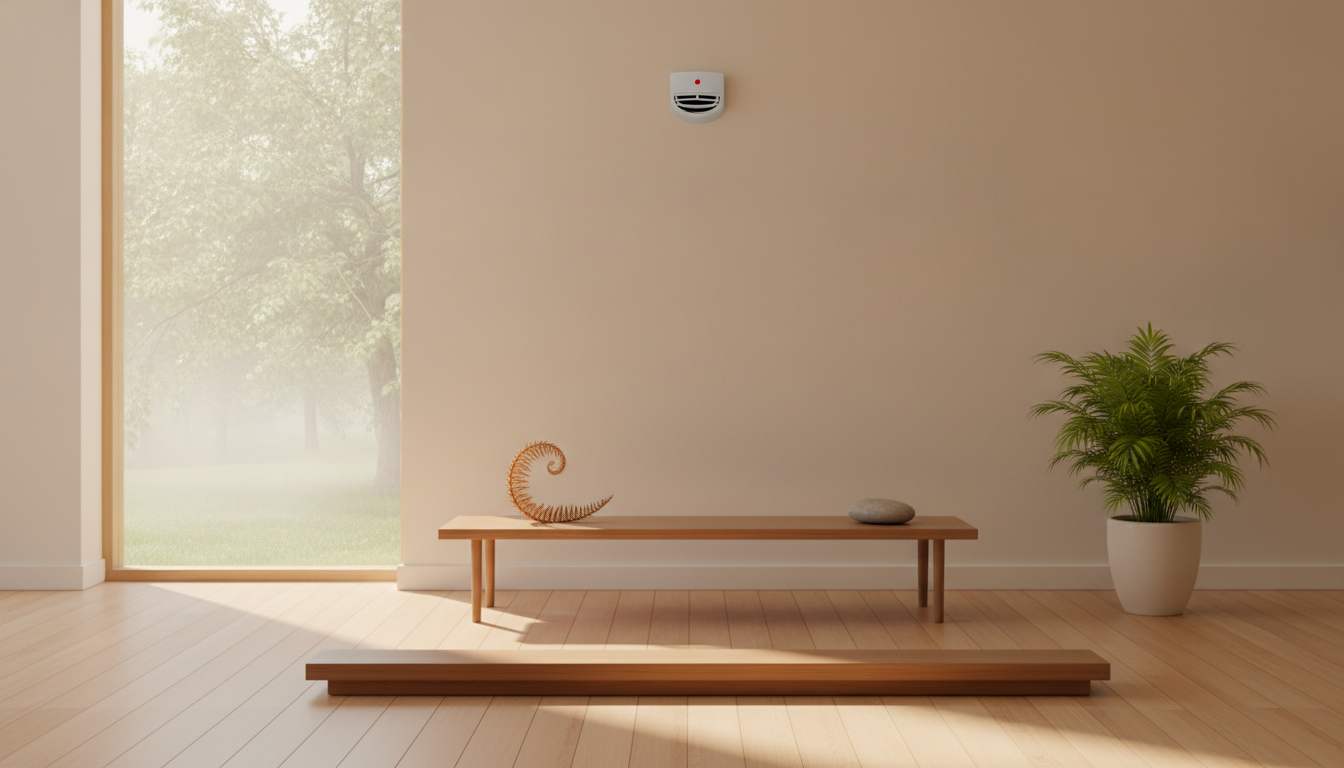
Think of a smoke alarm that keeps ringing after the fire is out. The kitchen is fine. The walls are standing. But the sensor still screams, because it was trained (violently, usefully) to treat certain smells, sounds, and silences as emergency.
Trauma does something similar. It installs urgency where urgency once saved you. Hypervigilance, numbness, sudden anger, the urge to leave rooms that look peaceful: these are not character flaws. They are a protective system that has not received the all-clear.
People who have survived often feel confused by their own reactions. “Nothing is happening. Why am I like this?” The honest answer is: something did happen, and the body has not finished updating the file.
Survival is not the same as inner safety
Here is the distinction that softens the shame. Survival means you got through the threat. Inner safety means your system can rest in the present without scanning every corner for the next one. You can have the first without the second. Many people do.
Feeling unsafe after the danger has passed is not ingratitude. It is unfinished physiology. The mind may know the story is over. The body may still be writing the last page in sweat, sleeplessness, and a startle that arrives before thought.
Moralizing that gap (“you should be over it”) only adds self-blame on top of an already overloaded system. The alert does not quiet because you scold it. It quiets when it learns, slowly, that this room is different from that one.
What the alert is asking for
You do not have to dismantle the whole system in one night. You can begin by recognizing the reaction for what it is: protection that stayed on overtime. When the chest tightens in a safe place, try naming it without arguing: “This is the old alert. The danger is not here.”
That sentence is not magic. It is orientation. Orientation is how a nervous system starts to settle. Then come small proofs the present is solid: feet on the floor, a trusted voice, a routine that ends the same way it began, a professional who does not rush you into “moving on.”
Healing is rarely dramatic. More often it is the quiet work of teaching your body that today’s conditions are different, and that you are allowed to believe it in increments, not on demand.
Learning to stay when the place is already safe
You may always have a sensitive system. That does not mean you failed to heal. It may mean you learned what danger costs, and your body keeps a spare reserve of caution. What can change is how long the alert lasts, and whether you treat yourself as the enemy for noticing it.
Surviving got you here. Feeling safe is a different craft: patience with a body that once saved you by never resting. One evening when you are already in a place that is truly safe, notice the tension, stay for a few breaths, and let the present remain ordinary. That is enough for one night.
If you want to understand NoOneToTalk, you can explore this overview at your own pace.
If you or someone you know is in crisis, please seek help. International directory: findahelpline.com.