
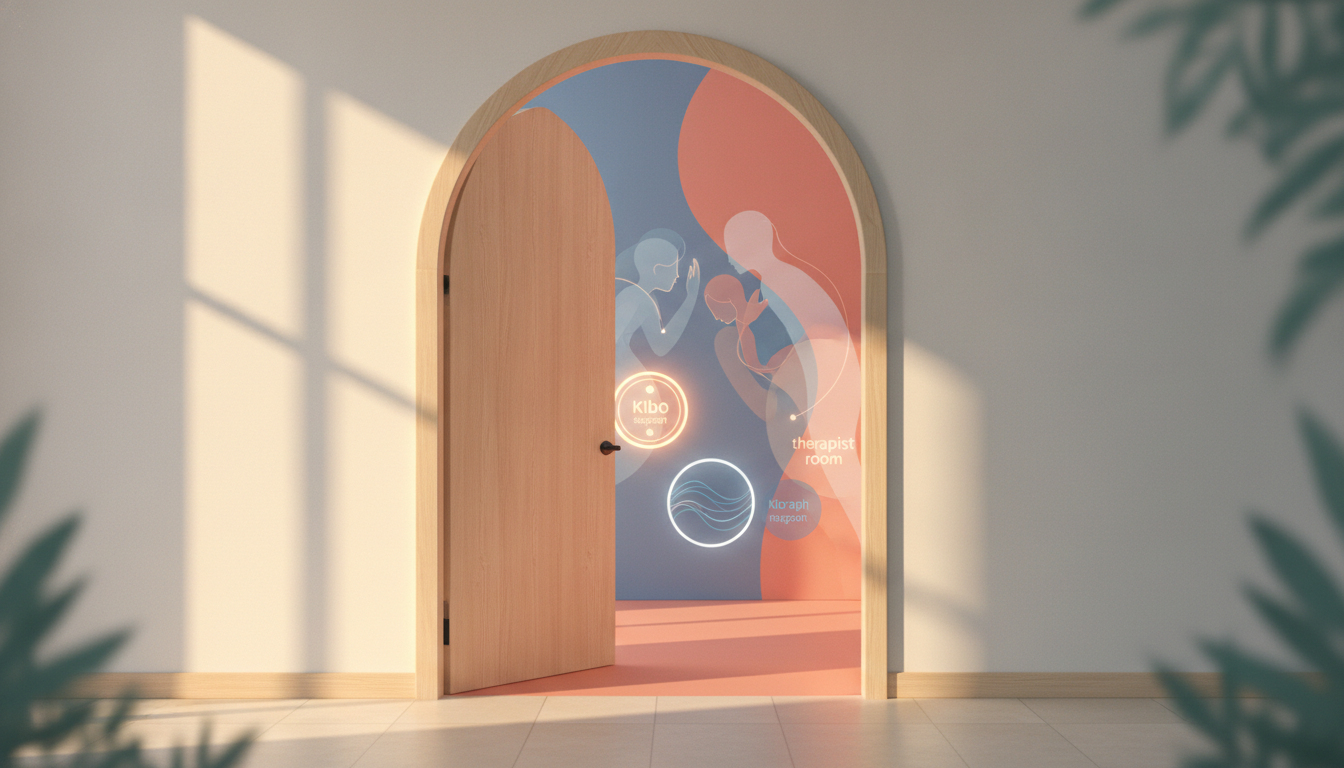
NoOneToTalk (No One To Talk) is a place to speak when the night feels too long and the thoughts keep the lights on. It is for the hours when you have no one to talk to, and the mind keeps working alone. You arrive without a real name or a phone number. Behind an anonymous avatar you can talk with peers, with Kibo (our AI companion for emotional support), or, when you are ready, in a private room with a licensed therapist.
Think of the mind as an office that never quite closes. Some nights every desk lamp stays on: worry, shame, the replay of a conversation that already ended. Anonymity does not switch the office off. It gives you a door you can open without showing your badge.
This page explains what the platform is, who it helps, and where it stops. It is general information about anonymous emotional support and a mental health app. It is not a medical device, not a diagnosis, and not a substitute for emergency or clinical care.
What NoOneToTalk is
NoOneToTalk is built around privacy first: no ads, no selling of your conversations, encryption in transit and at rest. The point is simple. Many people wait years to say one honest sentence out loud because the risk of being seen feels bigger than the pain of staying silent.
Inside the app you find three kinds of company. Peer rooms, where people listen as people. Kibo, available when you need a calm reply at 2 a.m. and no one else is awake. Therapist rooms, when you want a verified professional and a private space to go deeper.
Daily check-ins help you notice mood patterns without turning your life into a spreadsheet. You can read more about how the pieces fit on how it works and who we are on about.
Who it is for
It is for the person who feels alone with a thought that will not settle. For someone who is “fine” at work and exhausted in the elevator. For the friend who listens well and still needs a place of their own. For anyone who wants safe conversation without a public profile.
It is also for people who already have a therapist and want a quieter channel between sessions, or who are waiting for an appointment and need something low-threshold now. Peer support and Kibo can hold a hard evening. They do not replace a treatment plan.
If you are in immediate danger, or thinking of hurting yourself or someone else, this app is not the right door. Use a crisis helpline or local emergency services first. Support online can wait; safety cannot.
How it works in brief
You create an anonymous presence. No real photo. No real name shared with other users.
You choose how to enter that day: a peer space if you want human company, a conversation with Kibo if you need a steady voice without scheduling, or a therapist room when you are ready for licensed support.
You can check in briefly, notice what the body and mood are doing, and leave when you need to. Nothing asks you to perform recovery for an audience.
If burnout has been eating your sense of why, our piece on the five stages of burnout may help you name the phase you are in. If your mind is racing and the room feels far away, try grounding techniques that actually work.
What it is not
NoOneToTalk is not a hospital, not an emergency line, and not a promise that one chat will fix a clinical disorder. Kibo is an emotional-support companion. It does not prescribe, diagnose, or claim to cure.
It is also different from generic chat apps that optimize for engagement. We do not sell your attention. The product is the conversation that stays yours, not a feed that keeps you scrolling through other people’s pain.
Generic AI chat can answer anything and commit to nothing. Here the design is narrower on purpose: anonymity, peer presence, Kibo for support between humans, and a clear path to licensed therapists when you want one.
When to ask for professional help
Seek professional help when distress lasts, when sleep or appetite collapse for weeks, when work or relationships keep breaking under the same weight, or when you feel unsafe with your own thoughts. A good therapist is not a luxury add-on. Sometimes they are the only room with enough structure.
Use the app as a bridge or a companion. If symptoms intensify, escalate: talk to a qualified clinician, contact local services, or open a therapist room inside NoOneToTalk when that option fits your needs and location.
Companies that want anonymous support for teams can look at our business offering. The same principle applies at work: people speak more honestly when the badge stays off the table.
Get the app
If you want a quieter door tonight, start at downloads. Open the app, keep your name private, and say the sentence you have been carrying alone.
You do not have to fix the whole office of the mind in one evening. Closing one lamp is already a beginning.
If you or someone you know is in crisis, please seek help. International directory: findahelpline.com.